Article
Transfer cubicles for shunt reactors and transformers in 345/500 kV substations
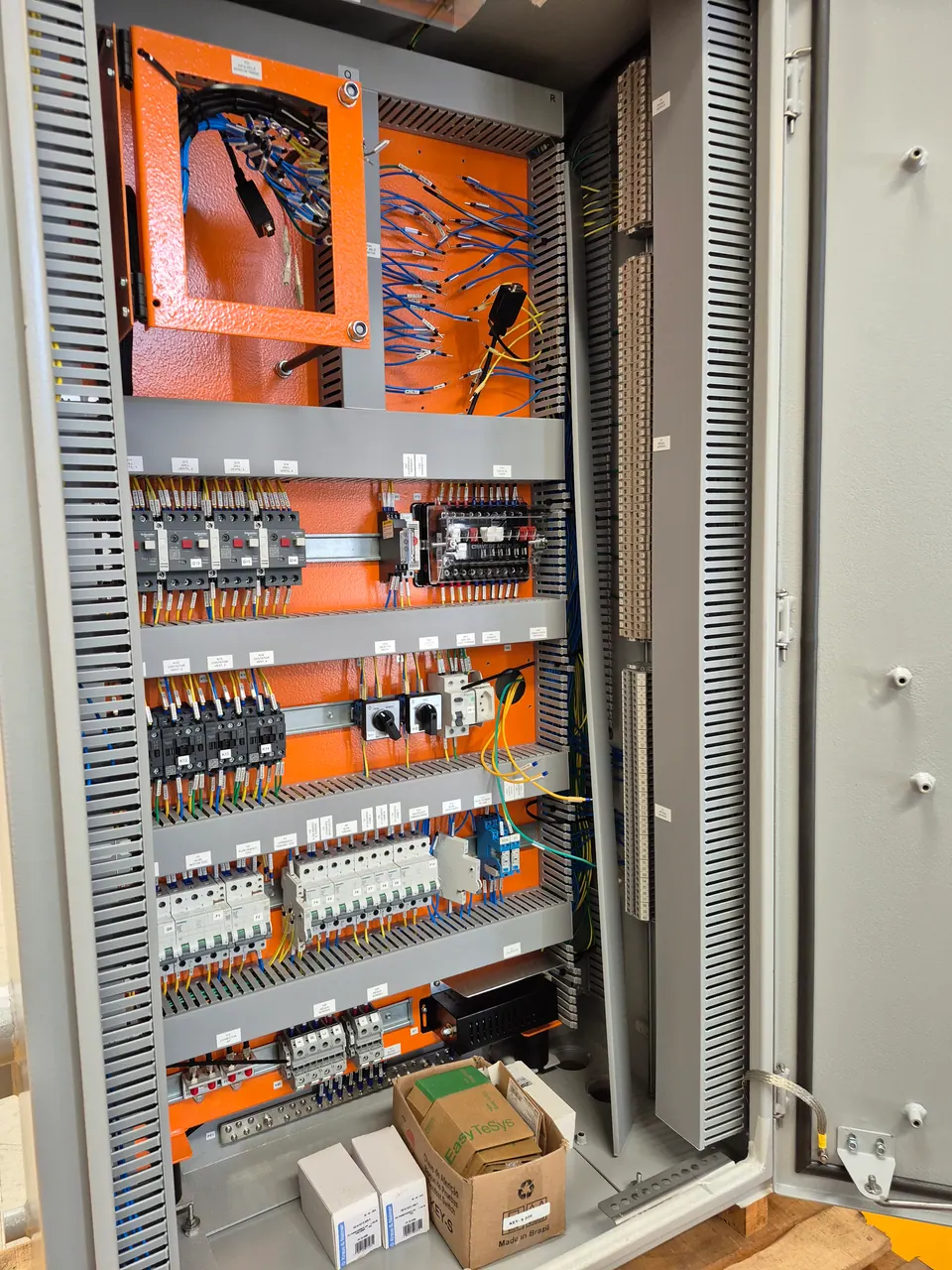
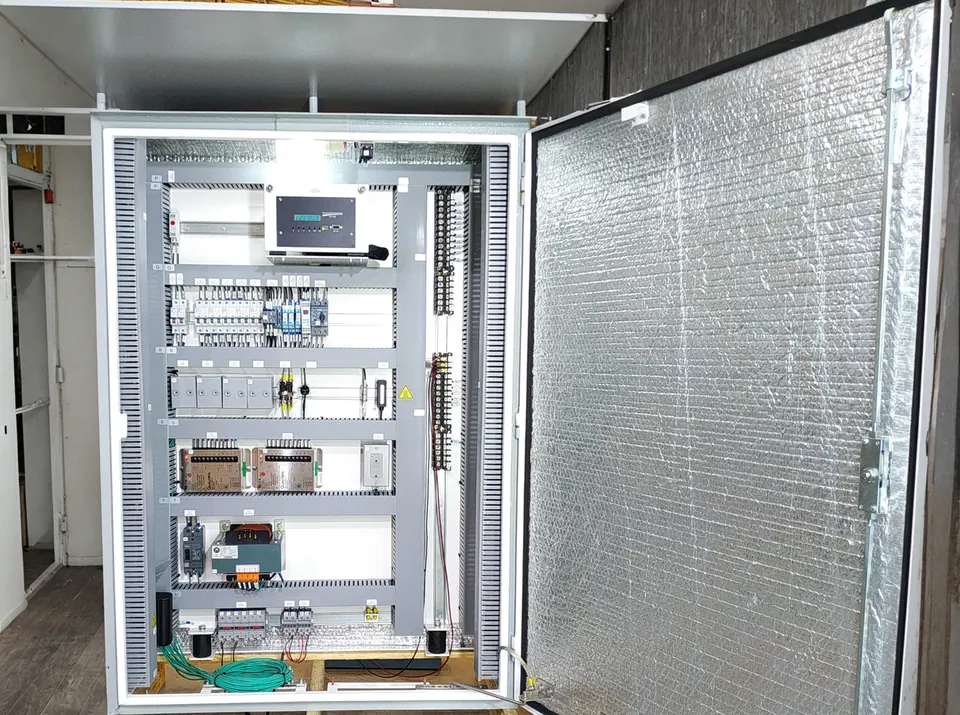
Control transfer cubicles bring the spare shunt reactor or transformer into service within minutes, safely and with no connection errors. Here are the main functions and technical characteristics of these cubicles in 345/500 kV substations.
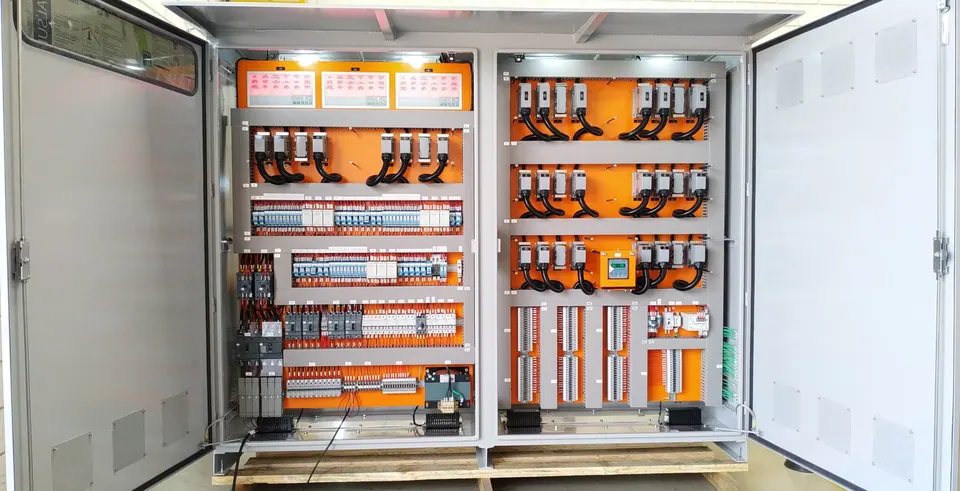
Exclusive Alltec Sistemas photo: transfer cubicle for the Furnas Poços de Caldas substation (Minas Gerais, Brazil).
Control transfer cubicles for 345/500 kV shunt reactors and power transformers are critical components in high-voltage substations.
They do not handle the 345/500 kV high voltage directly, but rather the low-voltage control and metering circuits associated with this high-power equipment.
Main functions
- Fast spare changeover: within minutes, the spare reactor or transformer goes into service, safely and accurately, without any connection errors, allowing the substation to return to normal operation.
- Protection: they house protective relays that monitor electrical quantities (current, voltage, temperature, etc.) through current transformers (CTs) and potential transformers (PTs), and issue trip commands to the circuit breakers in the event of a fault.
- Control and switching: they enable local and remote operation (via supervisory and control systems, such as SCADA) of the circuit breakers and disconnect switches associated with the transformers and reactors.
- Metering and monitoring: they contain instruments and devices for measuring operating parameters (voltage, current, power, oil and winding temperatures, etc.), which are essential for system monitoring and energy management.
- Automation: they integrate with substation automation systems, enabling centralized control and data acquisition.
Technical characteristics
- Operating voltage (internal): although the equipment they control is rated 345/500 kV, the cubicles’ internal circuits operate at low voltage (typically 125 V or 220 V DC/AC for control and power supply).
- Standards: these cubicles are designed and manufactured to stringent technical standards, such as those of ABNT (the Brazilian standards body) and IEC, which ensure safety and performance.
- Degree of protection (IP rating): they have a degree of protection suited to outdoor installation, protecting the components against dust, debris, and liquids.