Article
Digital power substations without control rooms: is it possible?
Yes. Digitalizing power transformers and shunt reactors with IEC 61850, merging units, and optical fiber makes it possible to supervise, protect, and control a substation remotely — reducing, or even eliminating, the local control room.
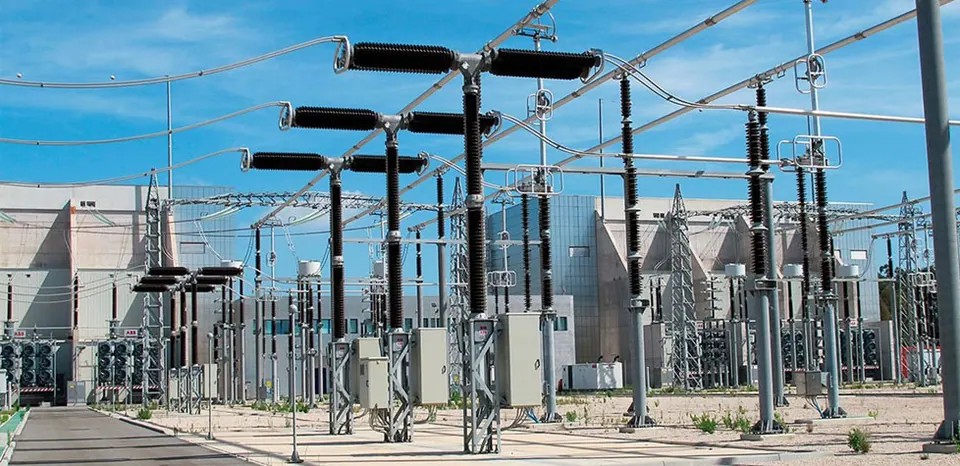
Yes — and not only is it possible, it has already become the dominant trend in new projects and in the modernization of substations that have been in service for decades.
The focal point of this movement lies in power transformers and shunt reactors, critical equipment whose digitalization becomes the central element in the transition to fully digital substations.
This process raises the level of monitoring, protection, and control, ensuring greater operational accuracy and a faster response to events.
As digital systems evolve, it becomes feasible to perform every supervision, protection, and control function remotely, whether from a single operations center or distributed across multiple locations. The need for physical control rooms inside the substation drops significantly — and, in many cases, disappears altogether.
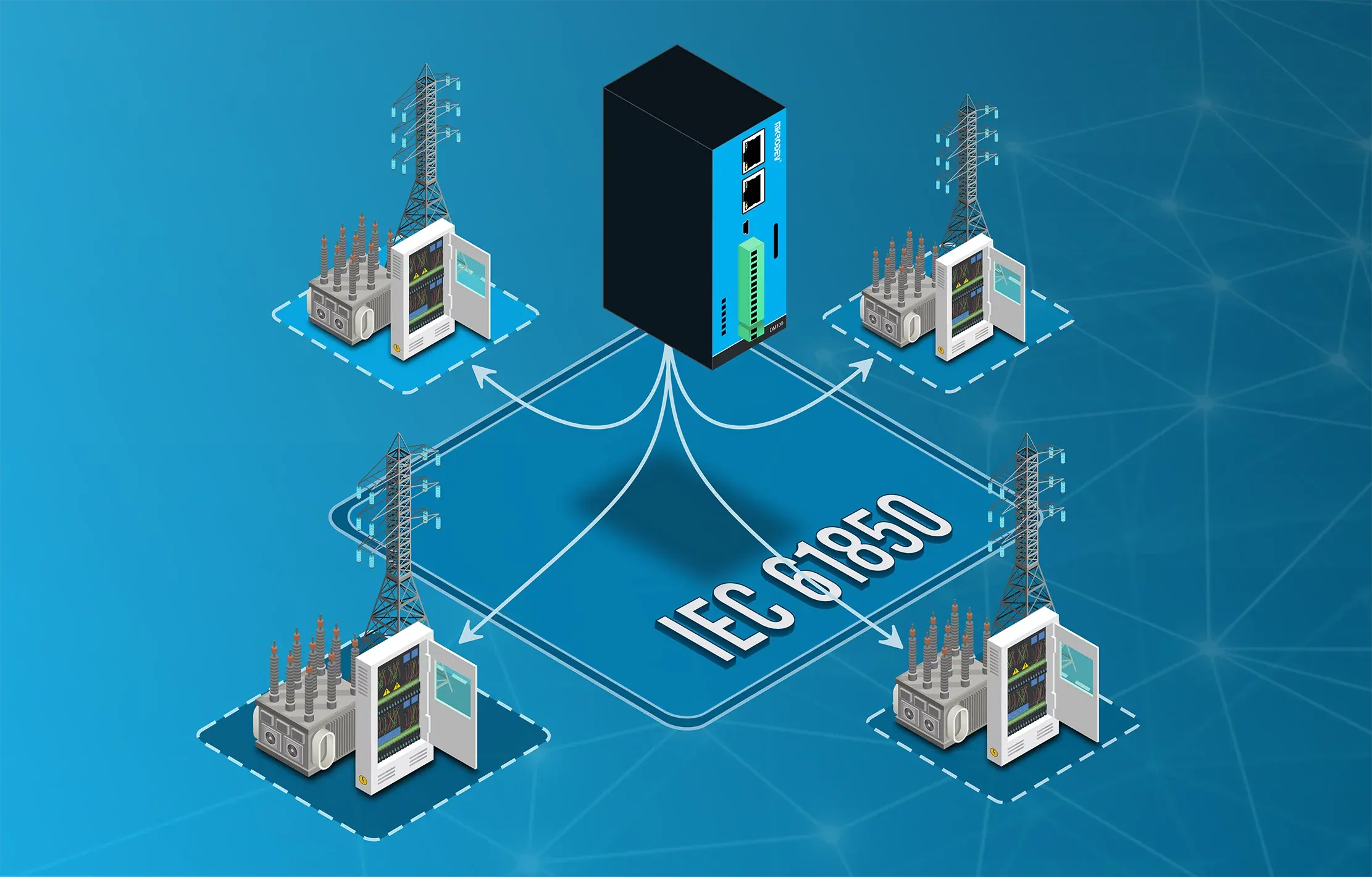
Digitizing the signals coming from transformer and reactor control cabinets is an essential step. Formerly analog signals — such as measurements of voltage, current, temperature, pressure, oil level, dissolved gas analysis (DGA), etc. — are converted into highly reliable digital data. Likewise, alarm, trip, and remote command signals are now handled by intelligent, fast, standardized systems compatible with modern protocols such as IEC 61850.
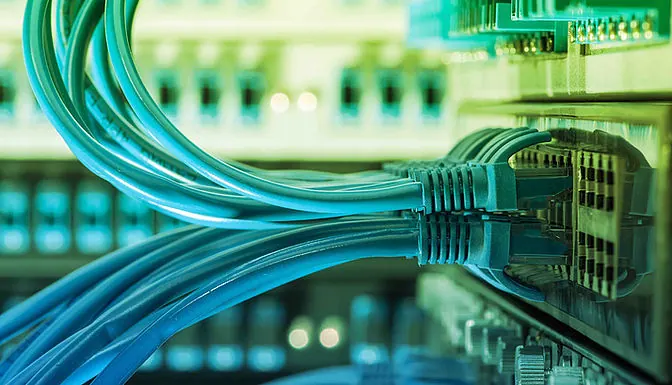
The move to digital substations begins with understanding that IEC 61850 is not just a “new protocol” but a different way of organizing and standardizing information. Instead of seeing each input and output as a physical wire, the system works with functional blocks, called Logical Nodes, that group measurements, alarms, and commands uniformly across manufacturers. This simplifies design, reduces ambiguity, and allows settings and diagnostics to be performed faster and remotely — essential when the substation no longer depends on a local control room.
Another important advance is digitizing measurements right in the substation yard. Devices such as merging units convert currents and voltages into digital signals, which are sent over optical fiber directly to the protection and control systems. This reduces the amount of cabling, lowers the risk of interference, and provides more consistent measurements over time. Precise synchronization of this data, using standards such as PTP, ensures that all devices “speak the same language” and work in coordination.
 Enlarge image
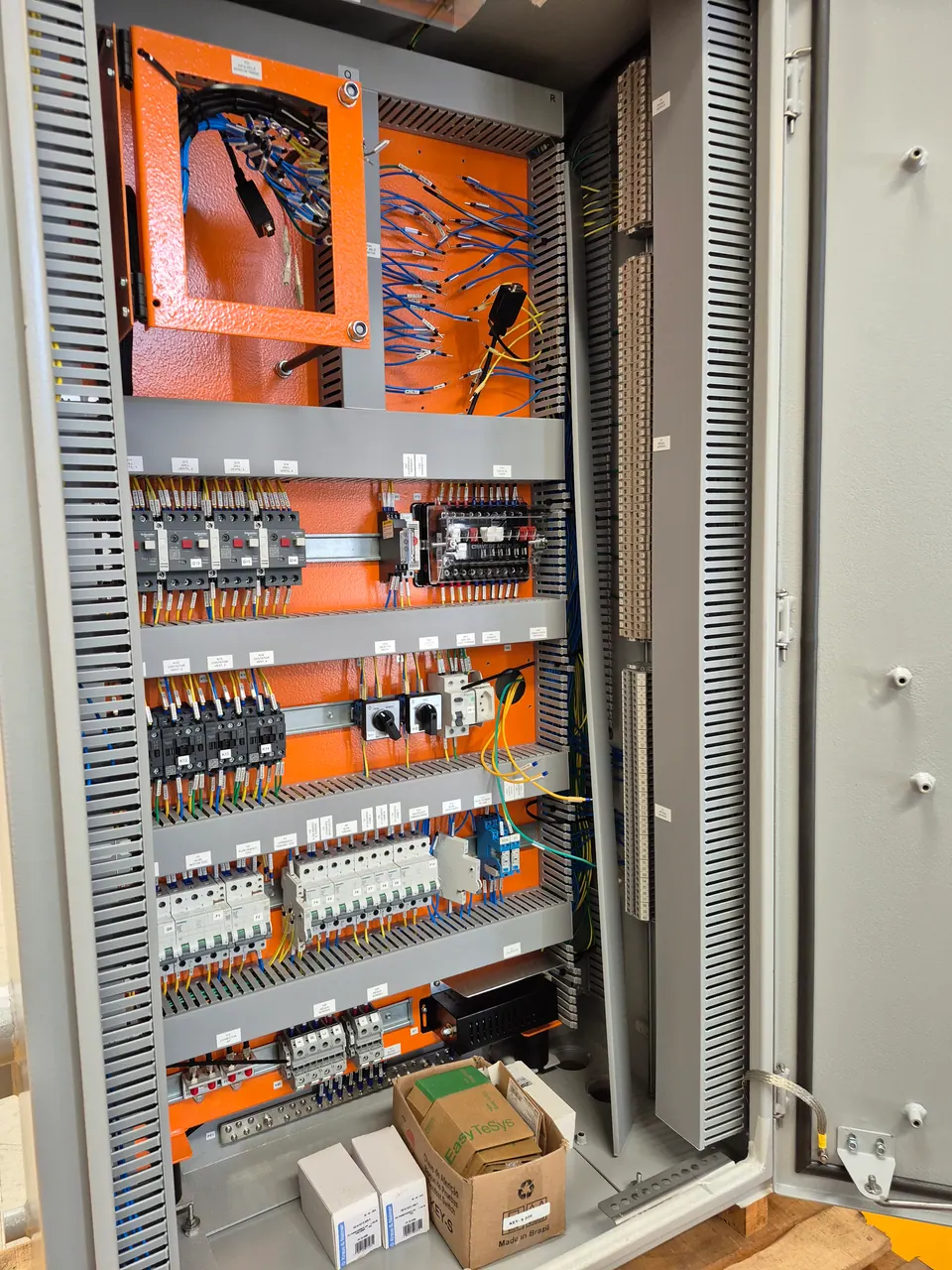
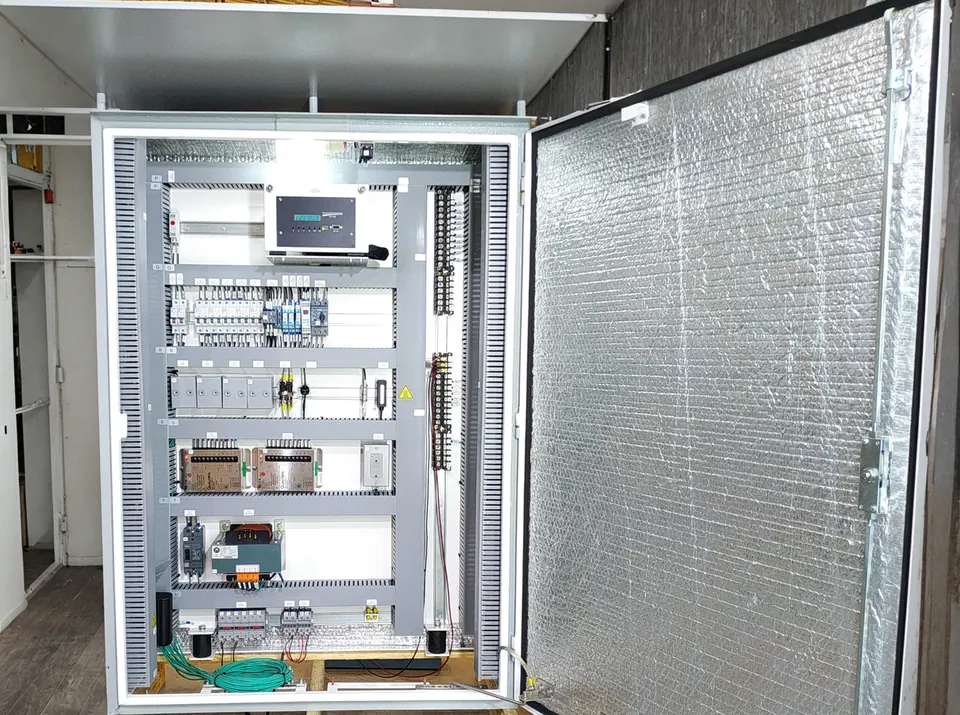
For all of this to work safely and efficiently, careful design backed by highly specialized engineering is indispensable. This involves selecting suitable digital devices, defining the communication architecture, handling the data correctly, and integrating seamlessly with the protection, automation, and supervisory systems.
In this context, Alltec’s hands-on experience becomes as relevant as command of the standards. Our technical team supports customers in defining digital solutions that account for the specific characteristics of each transformer or reactor, actual operating conditions, compatibility, and existing and future-expansion requirements. Control cabinet manufacturing is integrated with engineering, ensuring that every assembly delivered to the customer is consistent with the design and ready for decades of operation in critical environments.